Coccidiosis
Signs: Lethargy, severe weight loss, hunched posture, and bloody droppings.
Prevention: Keep coop bedding completely dry, ensure excellent ventilation, and conduct regular fecal tests.
Protect your flock with proactive veterinary care. Understand common poultry diseases, essential nutrition, and daily hygiene to keep your chickens thriving.
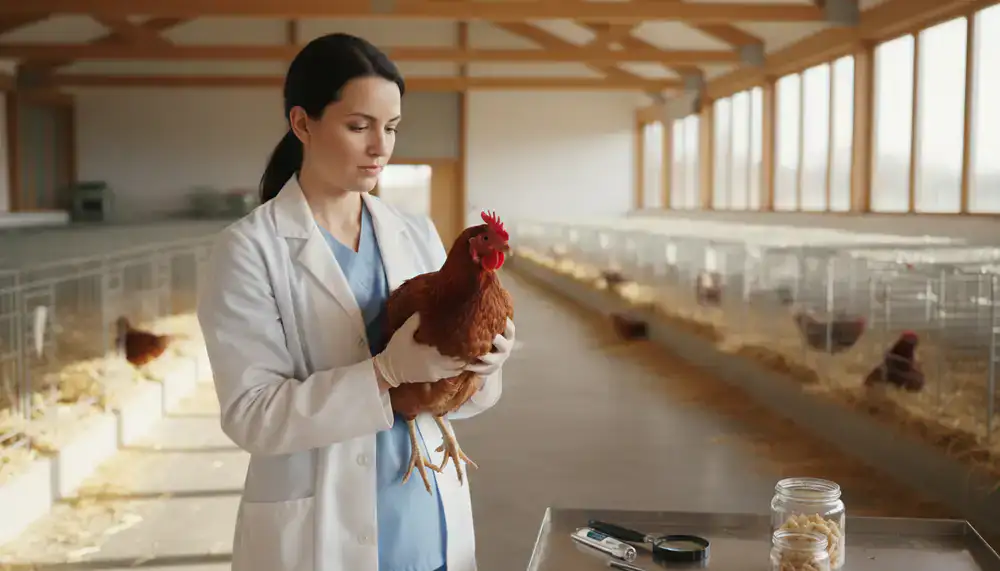
Chickens naturally mask signs of illness to protect themselves within the flock. By the time a bird visibly appears sick, the underlying condition is often quite advanced. Because of this, prevention is always the most effective strategy for managing flock health.
A strong preventative approach involves routine veterinary health checks, strict biosecurity to keep external pathogens away, proper vaccination schedules, and a clean, dry environment. We guide owners through establishing practical habits that safeguard their entire flock from avoidable ailments.
Familiarize yourself with the signs of common avian illnesses so you can act quickly and isolate affected birds when issues arise.
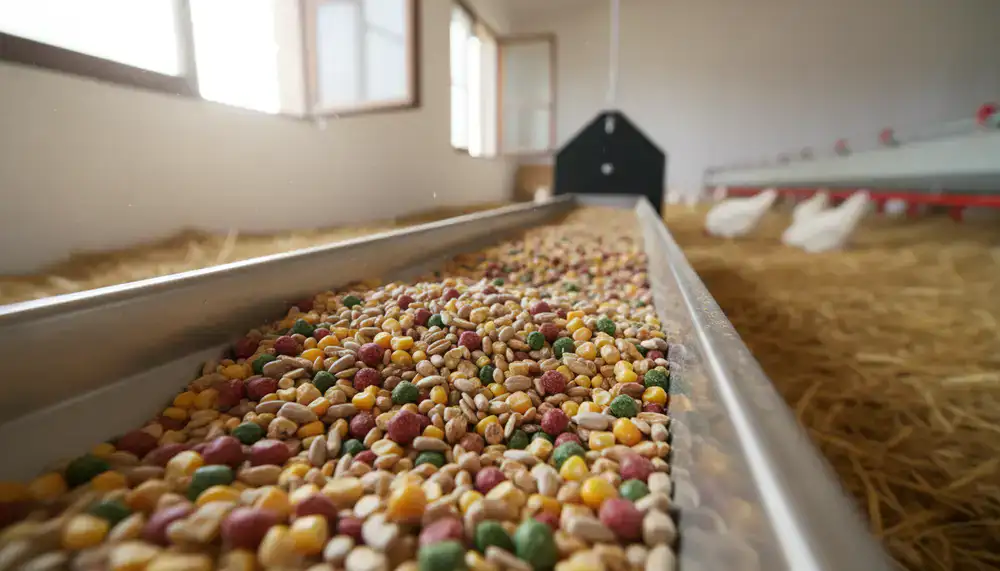
A chicken's dietary needs change depending on their age, breed, and whether they are actively laying eggs. Providing a high-quality commercial feed tailored to their specific life stage is the foundation of good flock health.
Ensure your flock always has access to clean, fresh water. Limit treats and kitchen scraps to no more than ten percent of their daily intake, as an unbalanced diet quickly leads to nutritional deficiencies, behavioral issues like feather pecking, and a severe drop in egg production.
The coop environment directly impacts respiratory health and parasite control. Poor ventilation allows ammonia fumes and moisture to build up, which damages delicate lung tissues and encourages the rapid growth of harmful bacteria.
Clean the housing regularly, replace soiled bedding immediately, and ensure the space is well-ventilated without being drafty. Secure the perimeter firmly against predators and wild birds to maintain a safe, low-stress home for your flock.
Whether you are dealing with a specific health concern or want to establish a robust preventative care plan, our avian veterinary team is ready to assist you.